
The Luminous World of Rosie Ramsden
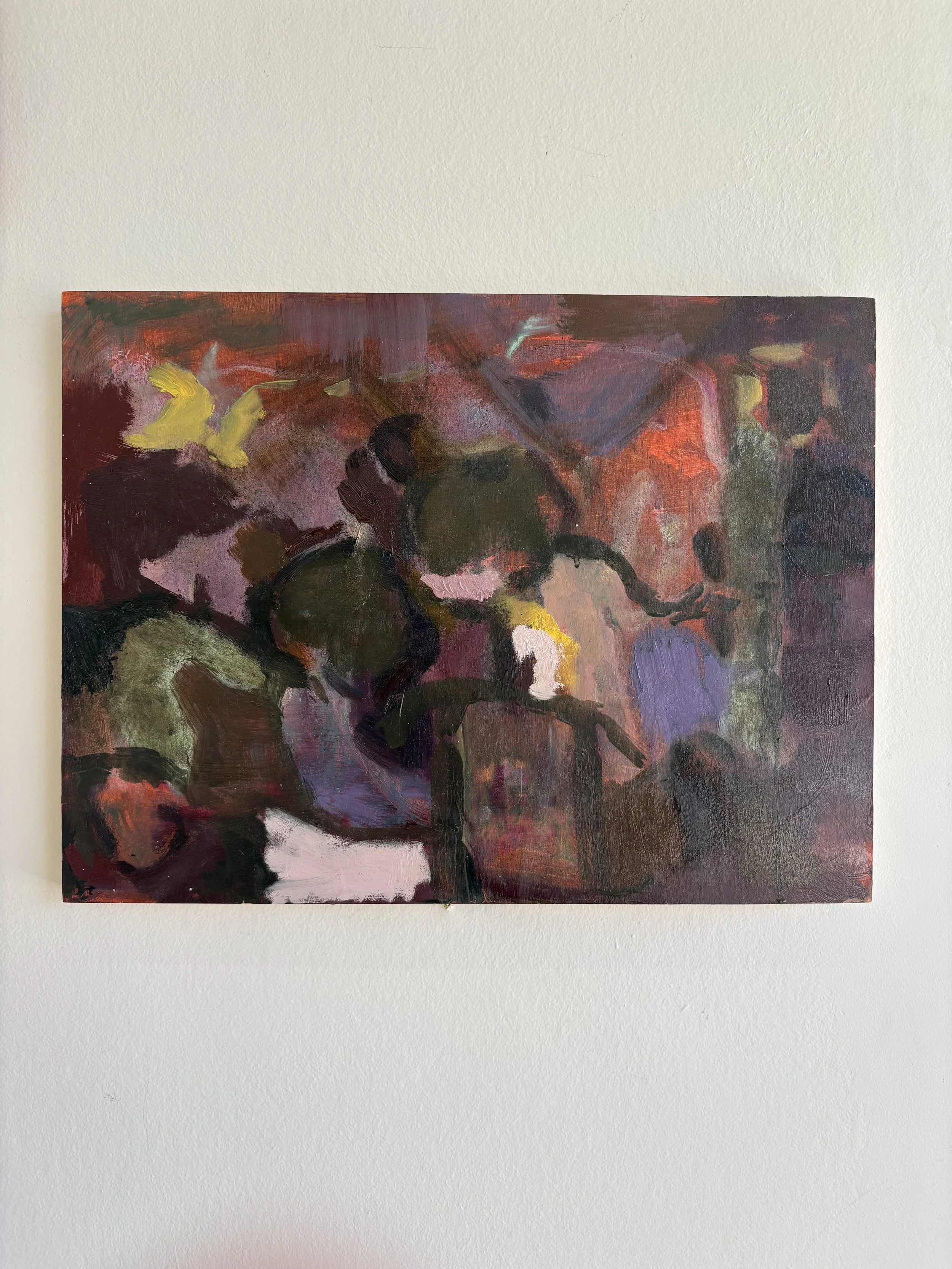
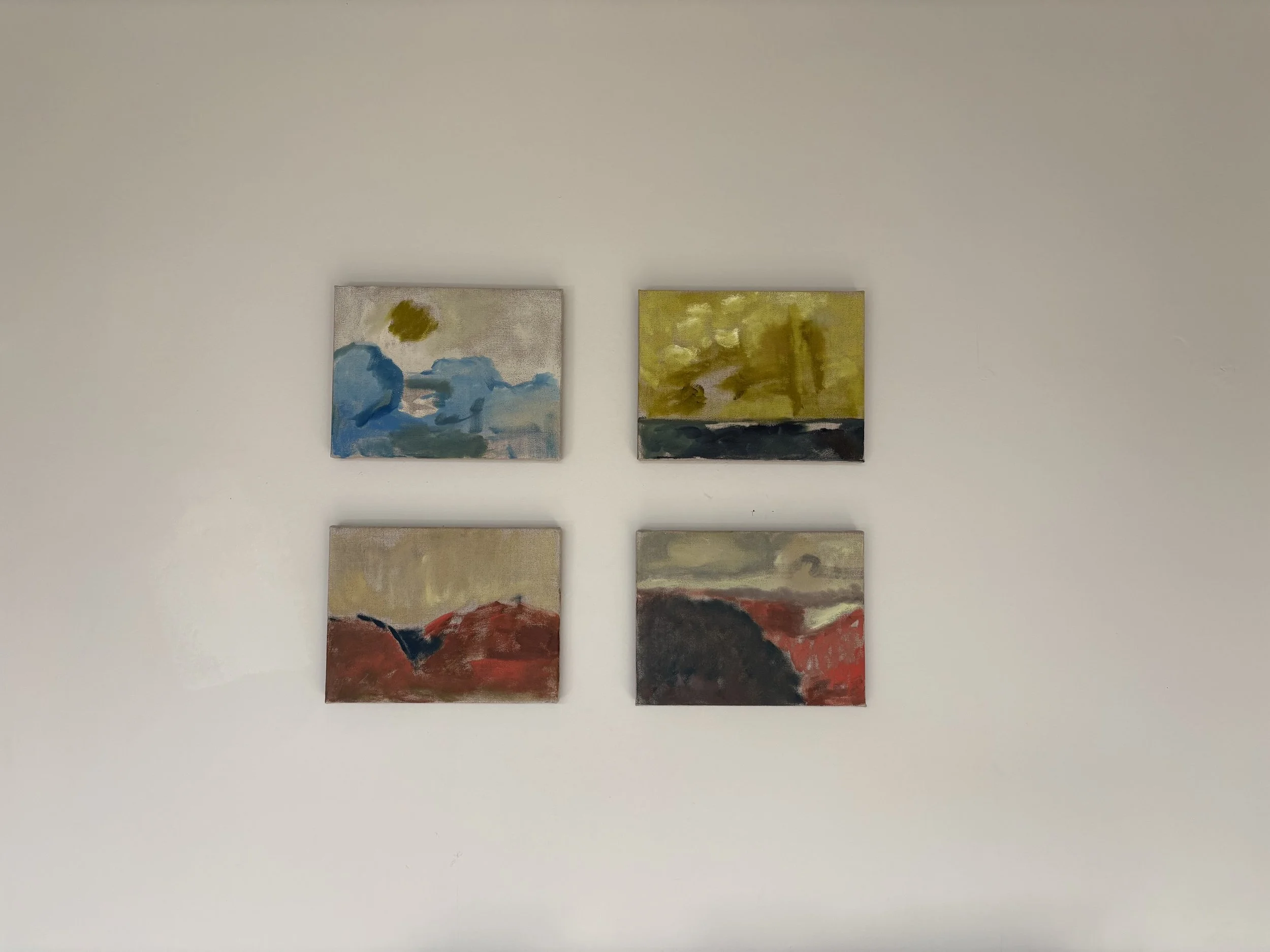
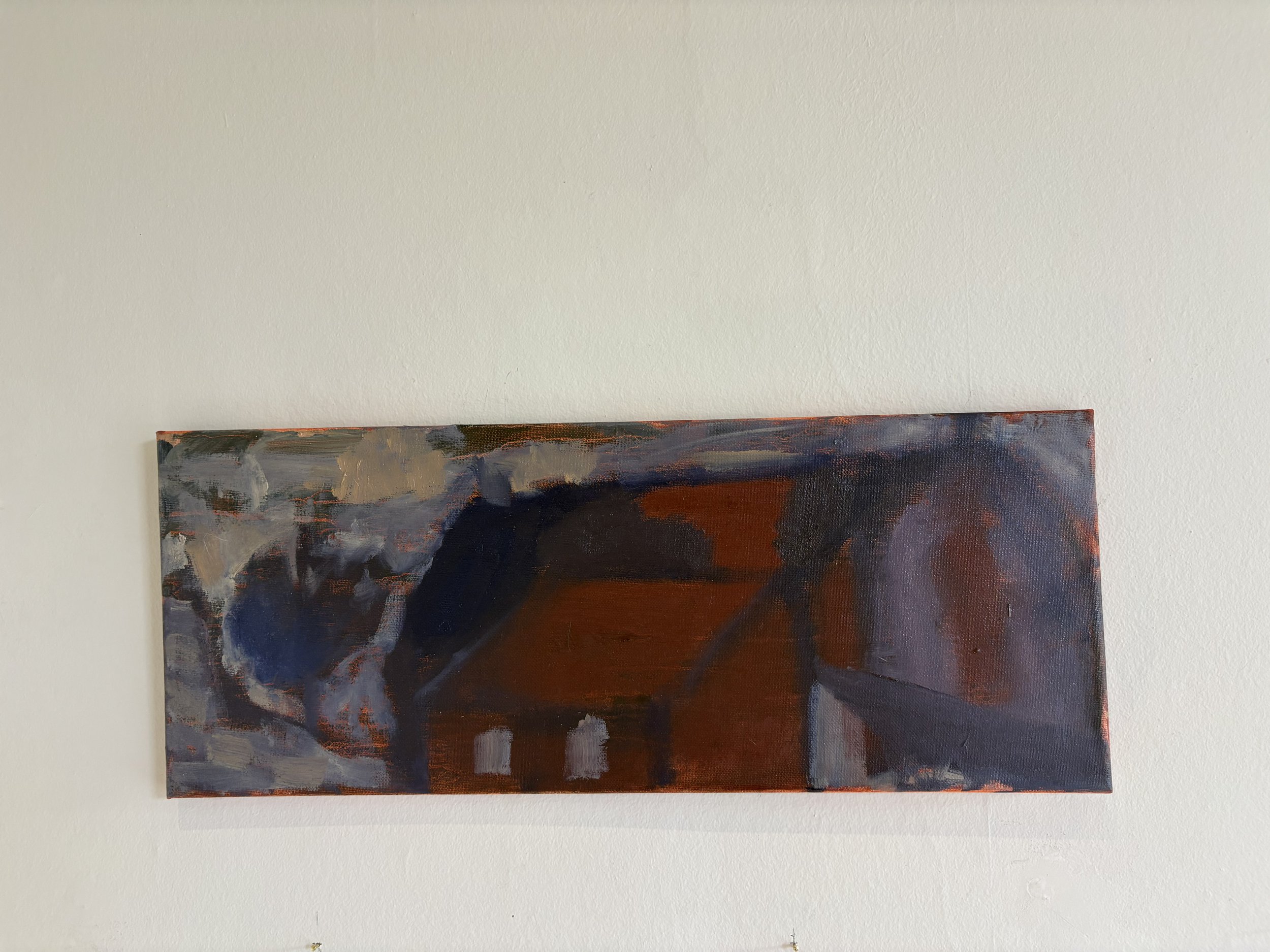
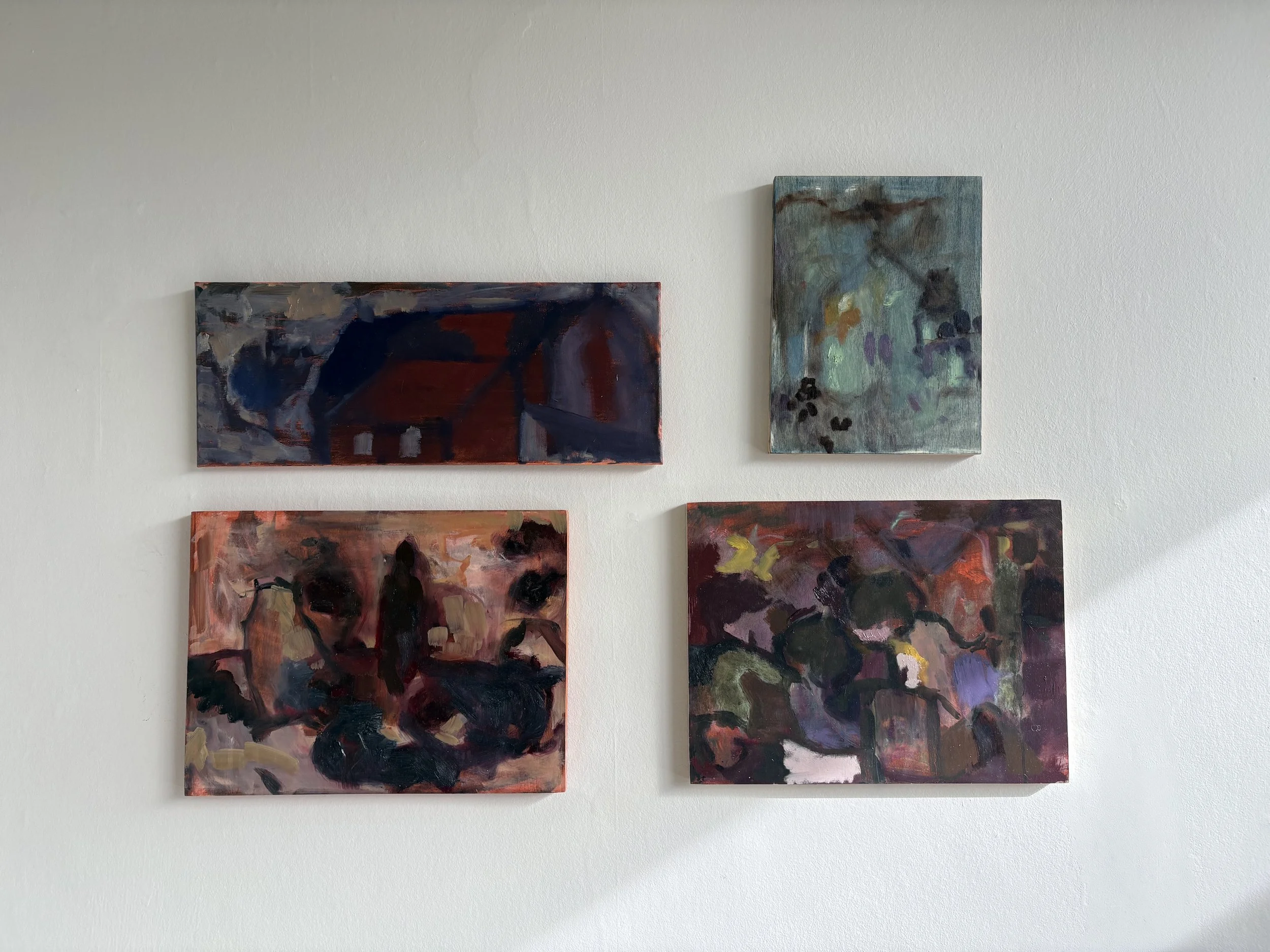
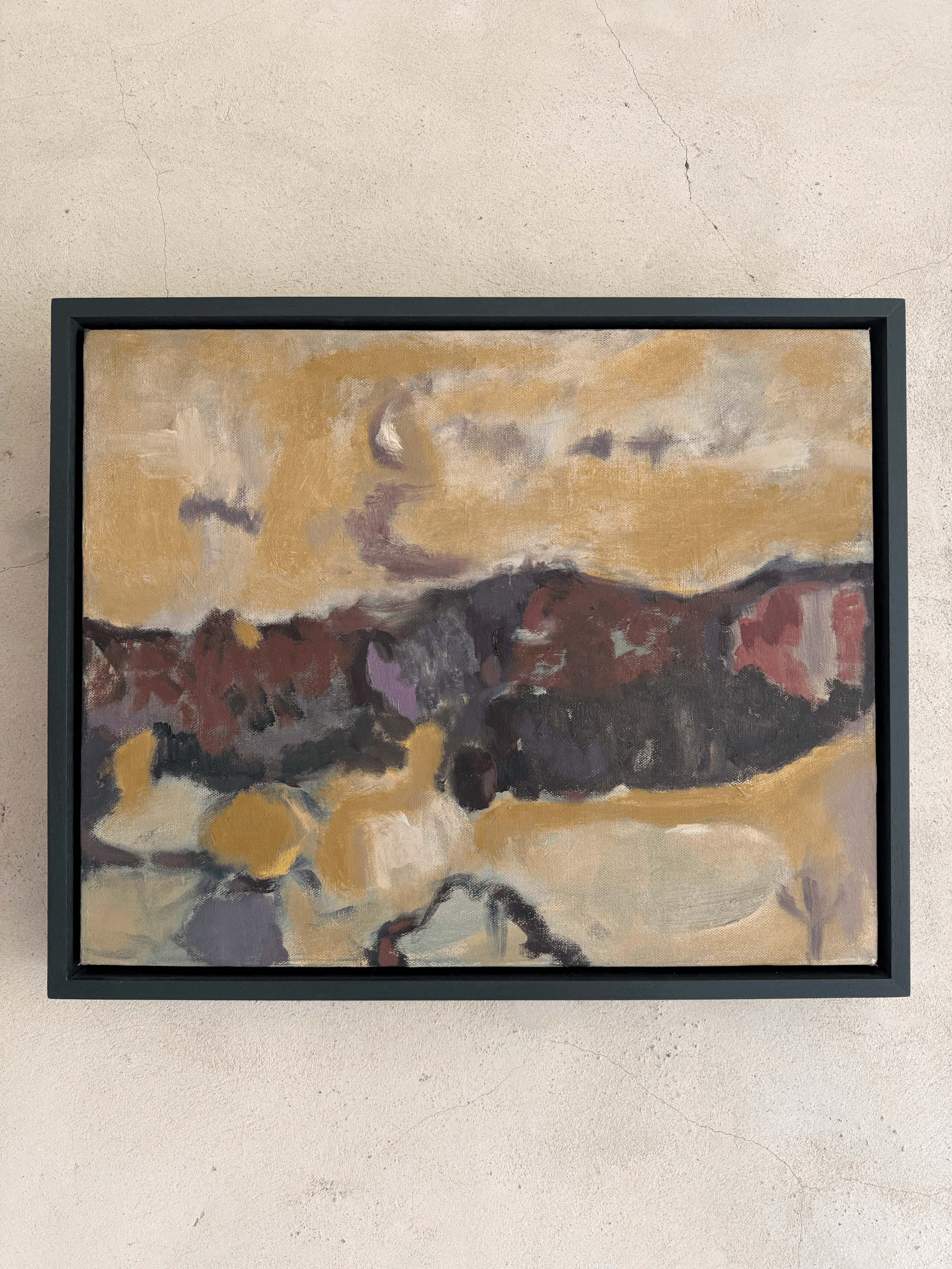
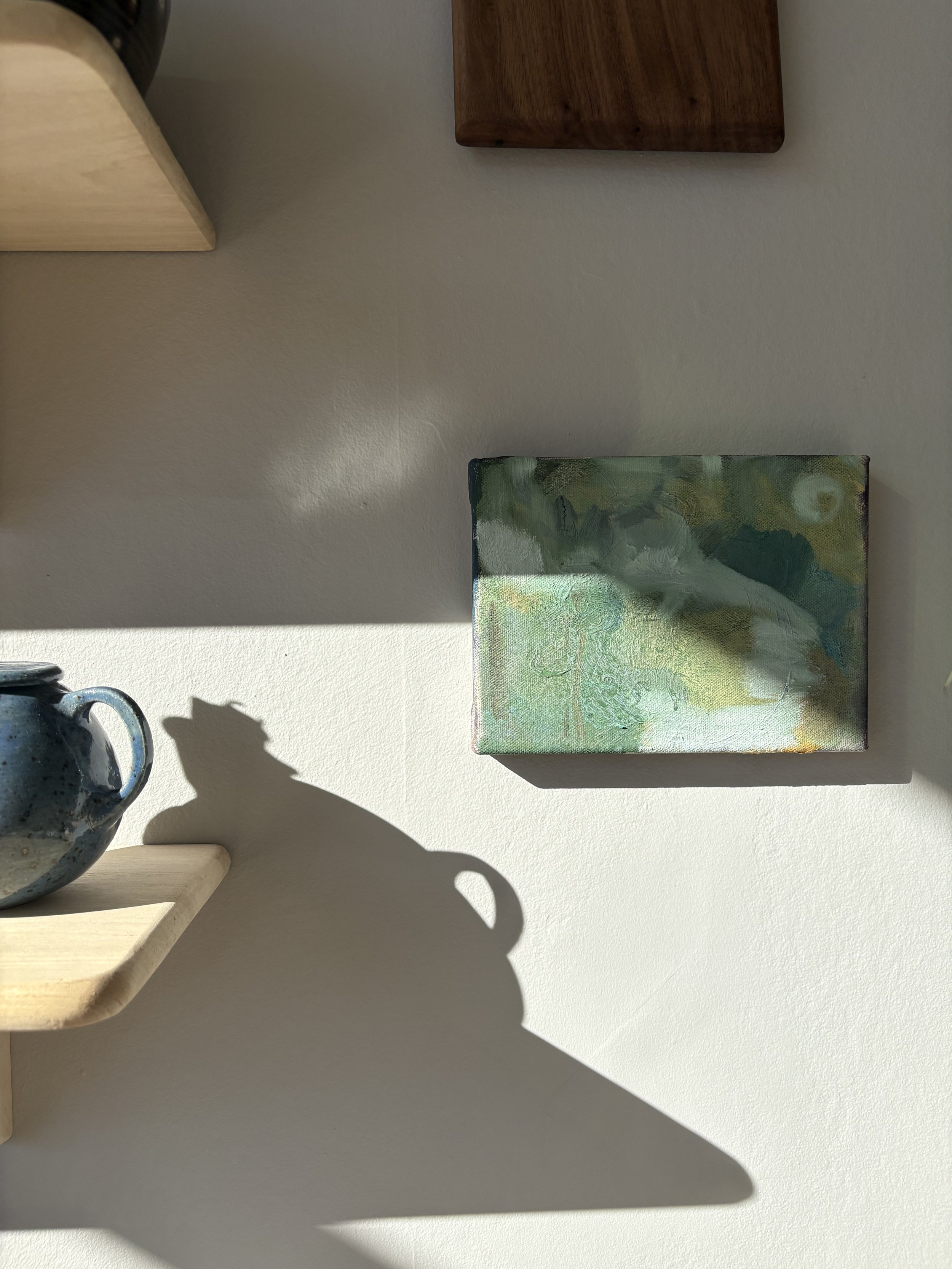
Our Autumn exhibition Hay, Heather, Rust is a collection of colour-drenched oil paintings by artist, Rosie Ramsden. Our co-founder Anna Stewart fell in love with Rosie’s paintings and visited the artist at her studio, part of her family’s farmhouse home in North Yorkshire. She asked Rosie about her path to being an artist, her bold use of colour and the impact of urban/rural environment on her paintings.
Let’s start at the beginning, I'd love to know a bit about your background growing up on the Isle of Wight and how you became an artist, has the need to create always been there?
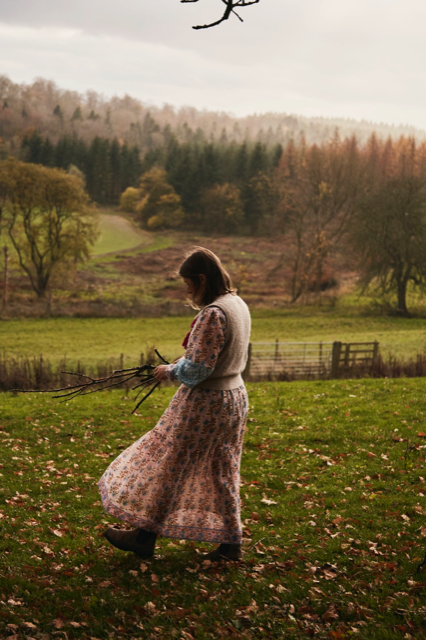
I was born on the island in ’87; my parents had moved there from London 11 years before with my brother, and had my sister there a year later. They still live at the same house, 5 minutes walk from the sea - it’s home. Summers were long and hot and salty, lots of shell collecting and sandy picnics, and winters were grey, blustery, wet but atmospheric. There’s something eerie about the coast in winter but I love it…
Creativity is a big thing at home. Dad has an amazing workshop in the back of the garden, now with a forge where he twists metal into eccentric art forms. Mum is an oil painting restorer. I remember, when I was little, the smell of turps and oil in her shed. She doesn’t restore much now but still uses watercolour and is so good at observational sketching. So by osmosis, I think I knew that making art was important. My siblings and cousins all have this need to create too.
I get the impression that your work is tied to storytelling - poems, paintings, writing, ways of communicating thoughts and ideas. Would you agree?
I love bookshops and love leafing through new work and old finding snippets that appeal or relate and digging them out with an underline. I haven’t much patience for lengthy books so poems and short stories quickly help me understand my mood and help create a vision. I love how they can transport a reader in an instant - and it’s these moments of reading that encourage a painting or a palette and begin to tell a different story as it takes shape on the canvas.
Rosie, we love your use of colour and the way your colours work together. Your home, when we had a cup of tea there, also feels very colour-led. Do you think this an instinctual skill or something you have learned along the way?
I’ve become very colour-sensitive, and really if I had to describe my painting it would be to call it Colour Work. I love absorbing the palette of the season and often translate the feel of an idea through tone. This is definitely the case inside the house too. When we chose colour for the walls, we went from a classic farmhouse butter yellow to colours and colour-names that felt harmonious with our environment. Mixes called hay, red earth, pink ground, setting plaster, studio green, cook’s blue…
Does place have anything to do with the way you work? Living in North Yorkshire, being close to nature, have you found that’s had an impact on your practice? [Or have you always worked more from the memory of places?]
Moving to Yorkshire was a big shift. We went from city and buzz to extreme quiet and solitude. I love and need both, but in terms of my art practice the quiet and proximity to field and woodland really focuses my work and imagination. Horizons are wider and luminous and they often drift their way through memory onto the canvas.
I remember you mentioned the British artist Mary Newcomb as an inspiration. What is it about her work that inspires you? And are there other works or painters that you feel have been as important in your work?
I love Mary Newcomb’s work and have recently discovered her daughter Tessa too. Mary’s sketches are almost like a diary or rural life; she scribbles sentences and dates alongside her pencil drawings and watercolours and it sets the scene. I love to make sketch diaries this in my own studio when I’m hunting for ideas. I love her pared back palette too. Also, give me Andrew Cranston, Klee, Cezanne, Van Gogh, Munch, Gwen John…
Please tell us more about Hay, Heather, Rust, the collection at Once, and your response to the poetry of Emily Dickinson.
This collection has been made as a response to reading the poetry by Emily Dickinson. It’s not necessarily a translation of her writing into painting but of more the feeling I had when reading it. The colours that came to mind, the reflection of her in-tune-ness with nature and my own experience of this.
The paintings in the show bring landscapes into form from memory or desire or feeling with colour - hay, heather, rust. They reflect my environment and its calmness, the infiltration of light as the days get darker and a keenness to match the slowing down and hibernation of the natural world around me.
